During this workshop, educators will:
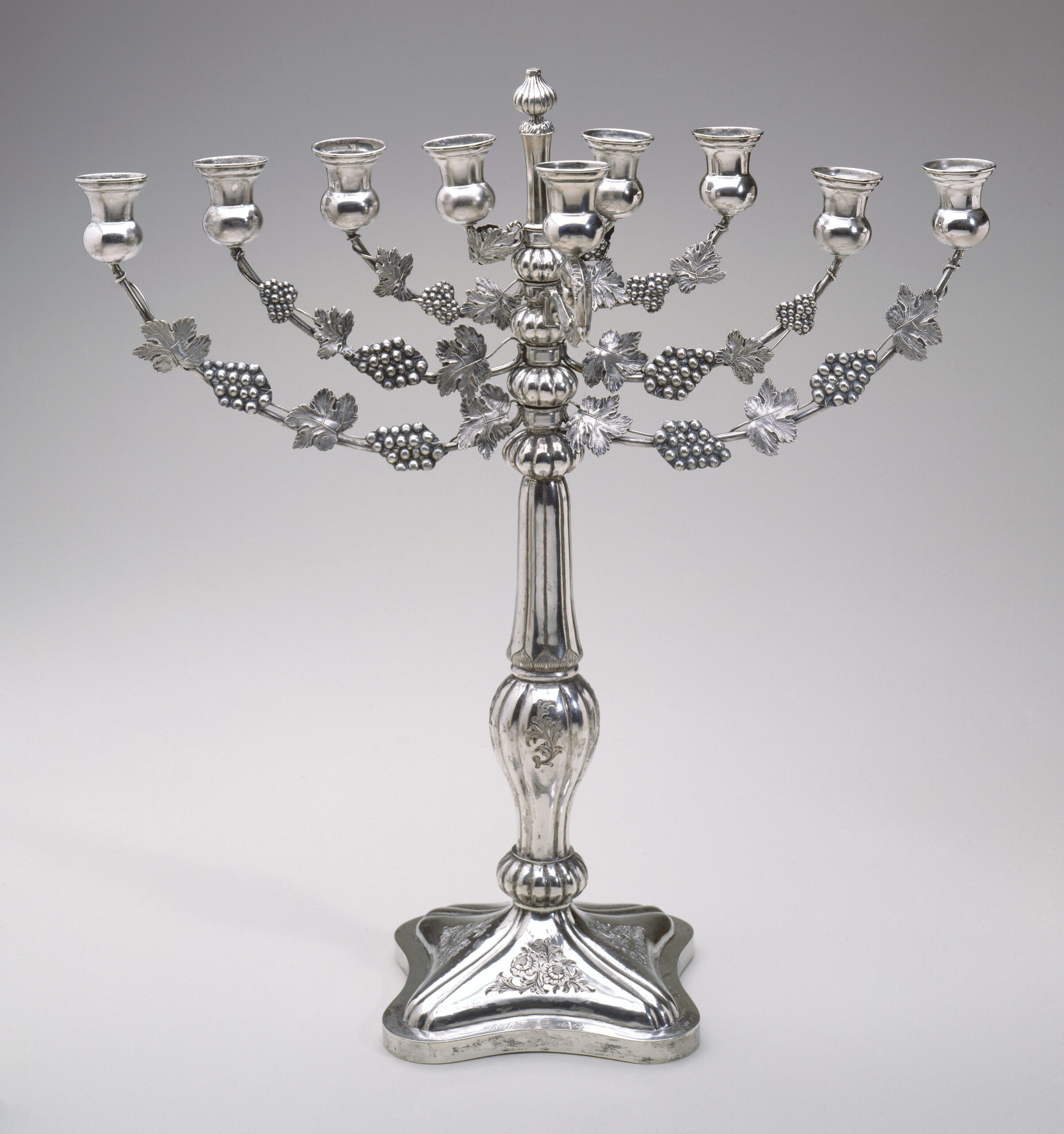
- Engage in a guided tour of Beauty and Ritual: Judaica from the Jewish Museum, New York.
- Learn about the significance of over 130 Jewish ceremonial objects (Judaica) coming from the Jewish Museum in New York and explore how Jewish communities around the world have adapted traditional forms of Judaica over centuries by utilizing a rich array of materials, styles, and techniques.
- Participate in conversations and cross-curricular dialogue.
- Review the resources created for the exhibition.
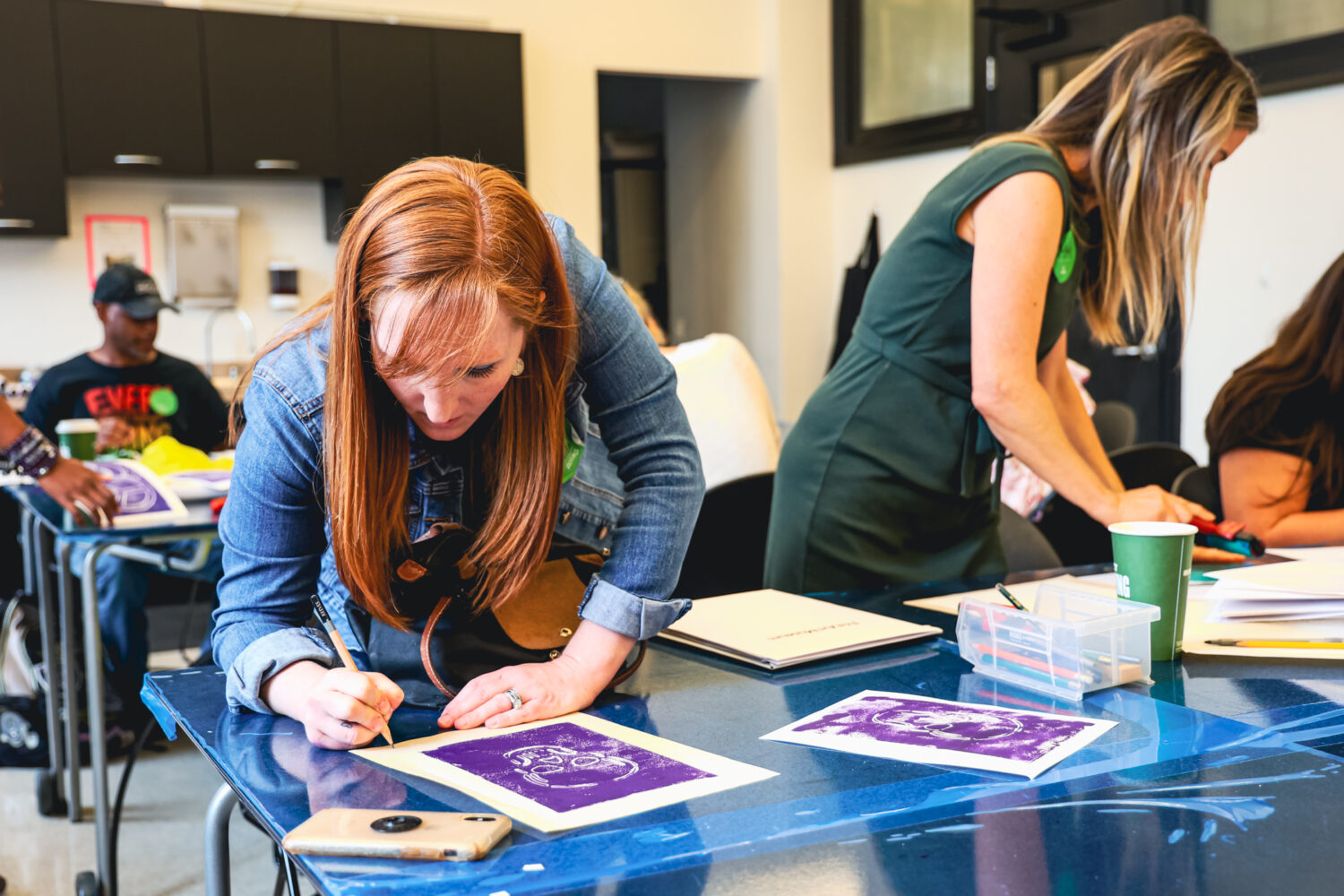
- Participate in an informative lecture followed by an art-making activity inspired by the exhibition.
About the lecturer
Samuel Finkelman is a Mellon Assistant Professor of History and Jewish Studies at Vanderbilt University. His research focuses on Jews in the Soviet Union, and he teaches Jewish politics, culture, and religion across the modern world. He received his PhD in history from the University of Pennsylvania in 2023 and has researched Jewish life under late socialism in Ukraine, Russia, Israel, and Hungary.
In this lecture, Samuel Finkelman will explore the ways in which the 130 Judaica objects from the Jewish Museum in New York City featured in Beauty and Ritual tell a story of constant transformation, fragmentation, and renewal over 2,000 years of diaspora. At the same time, religious ritual has provided an important bond connecting Jewish communities across time and space. This lecture will trace Jewish migration over the centuries while introducing the purposes and meanings of Jewish ritual objects. Educators will gain a deeper appreciation for how Jewish material culture reflects both Jewish autonomy and the many ways Jews adapted to, borrowed from, and influenced the societies in which they lived.
About the artist facilitator
Kim Phillips was born and raised in Nashville. She has always been an artist and worked in black-and-white media such as charcoal, ink, and graphite, but only after she converted to Judaism did she begin to see in color. She discovered Jewish paper cutting while attending a school in Jerusalem and has been a professional paper cutter for 20 years.
In this workshop, participants will learn the basics of Jewish paper cutting. A folk art practiced by Eastern European Jews for at least three centuries, paper cuts were mainly used to express religious devotion. The Hamsa (hand symbol), the Menorah (candelabrum), and the Mizrach (a term meaning “east,” the direction Jews face for prayer) are all popular themes in paper cutting. Modern Jewish paper cutting is more creative, colorful, and varied, but its purpose is still religious devotion.
Related exhibition