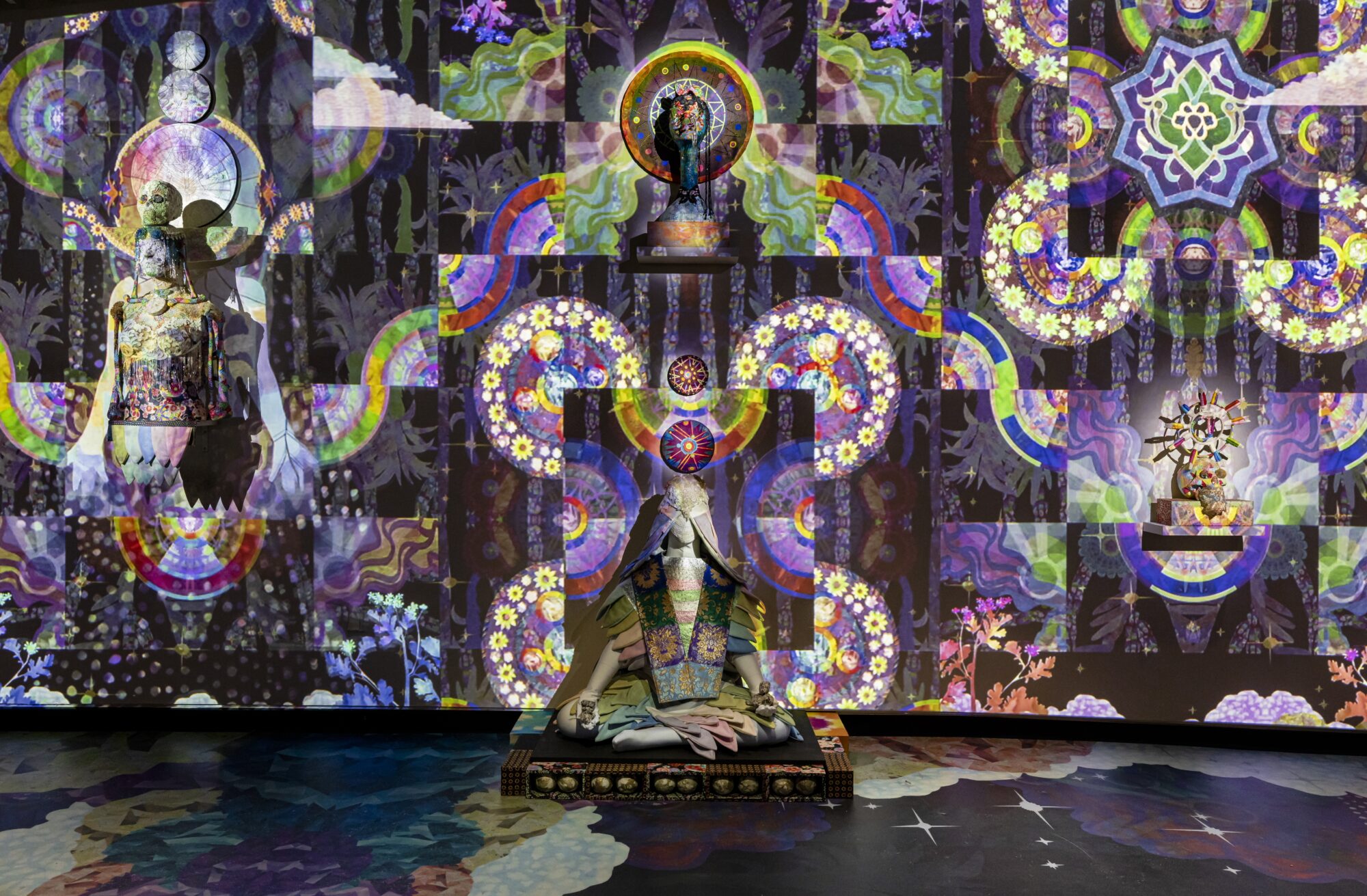
When we think of AI, we often think first of generative tools like ChatGPT, Copilot, or even some of the “friendlier”-sounding models like Claude. AI has many uses, but for some artists the technology feels like a threat. Such anxieties are not new; artists have questioned emerging tools since the advent of photography in the nineteenth century. This lecture traces that recurring cycle of technological change, from photography and the photocopier to computer drawing and contemporary artificial intelligence models. By further distinguishing machine learning from generative AI, we will explore how artists, including those in featured in Shimmer: Dreaming the Posthuman, use these technologies as controlled, closed-circuit tools rather than relying on the unpredictable outputs of open-source generative platforms.
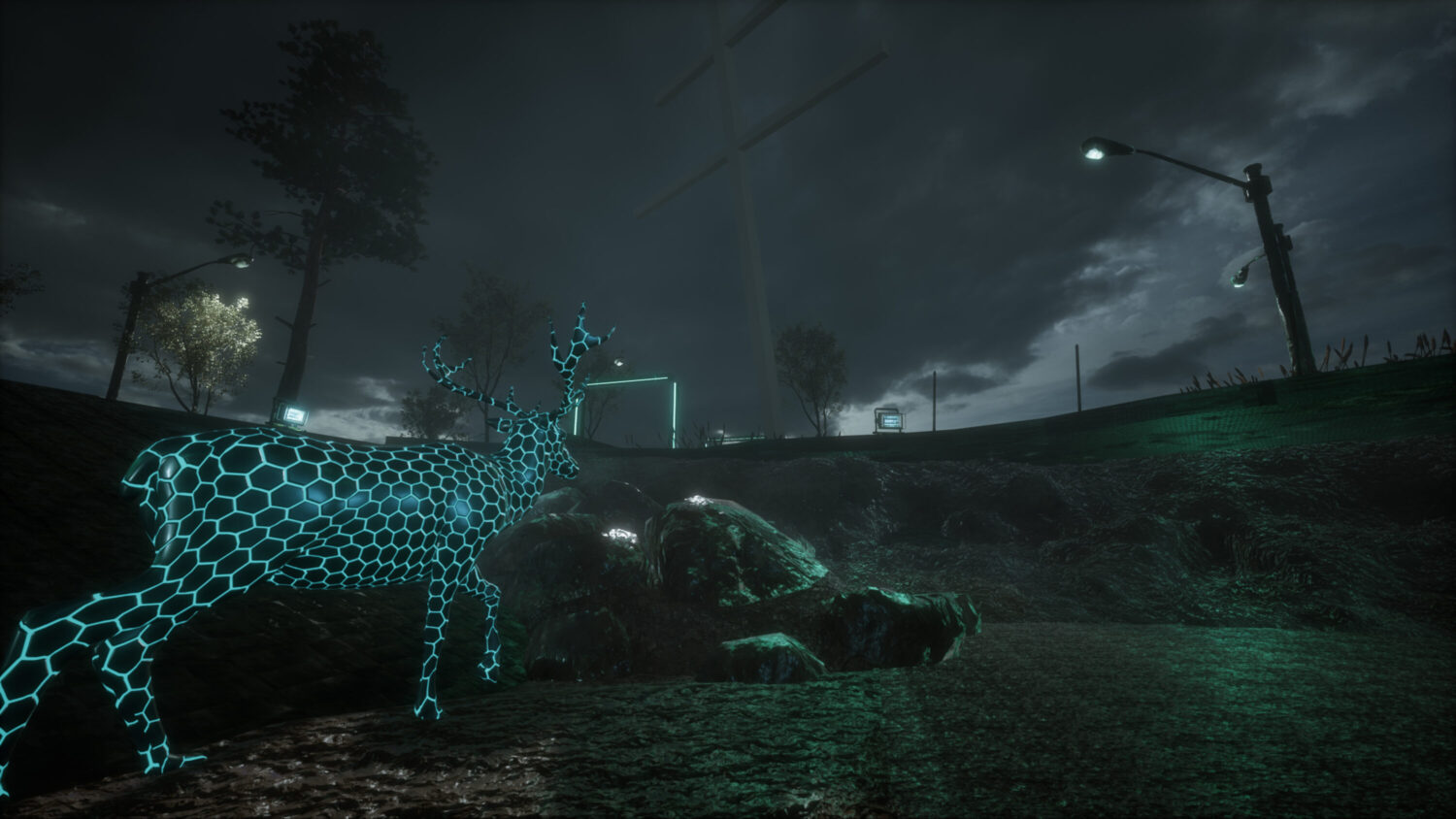
Top image: Jakob Kudsk Steensen. Aquaphobia, 2017. Two-dimensional cinematic video and virtual reality installation; 4 min., 45 sec. Courtesy of the artist. Support for the development of Aquaphobiafrom The Danish Arts Council, Acute Art, and NYC Office of Cultural Affairs. © 2017 Jakob Kudsk Steensen. Image courtesy of the artist
About the presenter
Jennifer Gagliardi is a lecturer in contemporary art and new media at Middle Tennessee State University. Her research interests include early video, post-Soviet media, and machine learning being used in art. She has previously worked at Pratt Institute and the Brooklyn Museum of Art. In her thesis project for her MA, Gagliardi used new-media theory and cultural studies to think about how the still and moving image can be manipulated for conspiracy theories.

Related exhibition