Presented in conjunction with Shimmer: Dreaming the Posthuman, this symposium brings together leading artists, curators, and scholars for a day of thought-provoking conversations. Panelists will offer a contextual framework for the exhibition by discussing how, using both analog and digital technologies, art can give emotional resonance to such themes as species entanglement and extinction, dreams and metamorphosis, and the interconnectedness of the human and more-than-human, drawing from perspectives as diverse as Indigenous belief systems, philosophy, and science. With topics ranging from the promises and challenges of generative technologies to visions of ecological repair and posthuman futures, this symposium invites audiences to imagine new ways of seeing, feeling, and relating to the living planet.
A boxed lunch (vegan and gluten-free options available), parking voucher, and gallery admission are included in the registration fee.
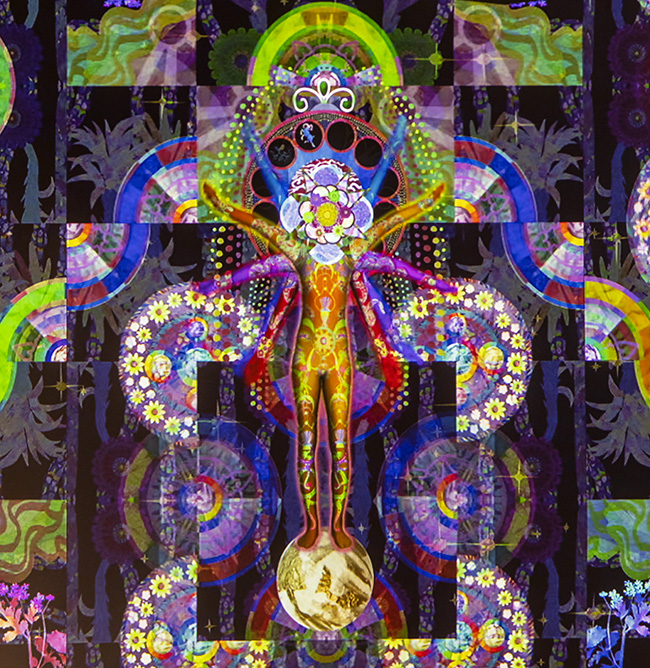
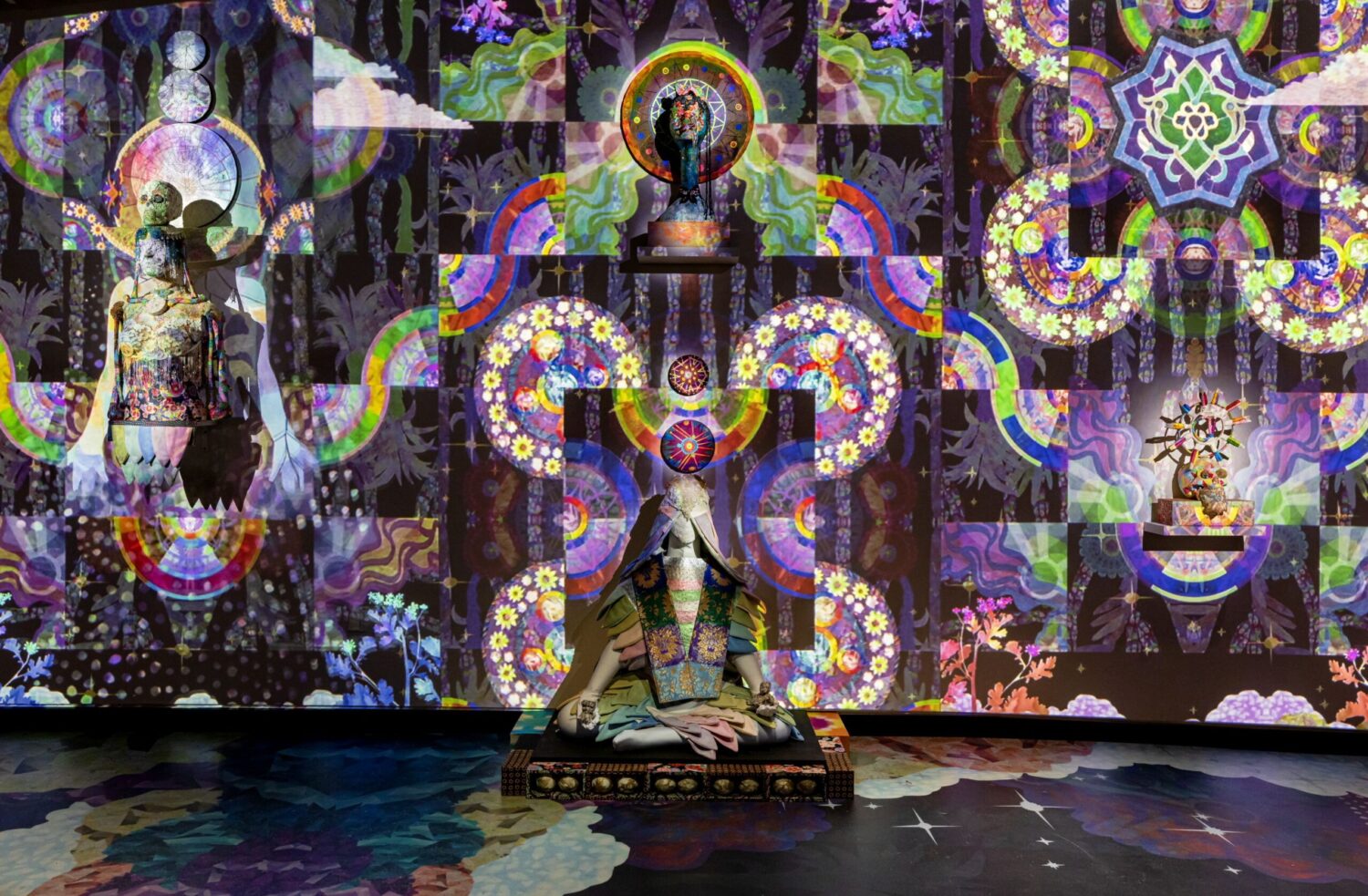
Top photo: Saya Woolfalk. Floating World of the Cloud Quilt (installation view), 2022. Three-channel video projection, natural and synthetic fibers, digitally printed vinyl flooring, plastic, paint, paper, beads, notions, and gel medium; 406 × 72–144 (variable) × 108 in. Courtesy of the artist. Image courtesy Leslie Tonkonow Artworks + Projects. © Saya Woolfalk. Photo: Etienne Frossard
Schedule
10:00–10:15 a.m.
Welcome and Opening Remarks
Seth Feman
Executive director and CEO, Frist Art Museum
10:15–10:30 a.m.
Exhibition Curator Remarks
Mark Scala
Chief curator, Frist Art Museum
10:30–11:30 a.m.
Empathy, Entanglement, Extinction
Moderator: Lutz Koepnick
Max Kade Foundation Chair of German Studies and professor of cinema and media arts, Vanderbilt University, Nashville
Panelists:
Anna Dumitriu
Artist
Alex May
Artist
Katja Loher
Artist
Drawing on ecological science, emerging technologies, and speculative imagination, these artists examine humanity’s interconnectedness with other forms of life. This discussion considers how art can foster empathy across species boundaries and help us envision more responsible relationships within a shared planetary future.
11:30 a.m.–1:00 p.m.
Lunch Break
1:00–1:45 p.m.
Enchantment and Metamorphosis: Dissolving the Ego Tunnel
Moderator: Charlotte Kent
Arts writer and associate professor of visual culture, Montclair State University
Panelists:
Rachel Rossin
Artist and computer programmer
Chalet Comellas
Artist, educator, and independent curator
Nancy Baker Cahill
Artist
What role does enchantment play in contemporary art? Through dreamlike imagery, immersive technologies, and transformative visual languages, this conversation explores how artists challenge fixed perceptions of reality and open new pathways for imagination, wonder, and change.
1:45–2:30 p.m.
A New Dreamtime: Antecedent Technologies of the Future
Moderator: Amelia Winger-Bearskin
Artist and technologist
Panelists:
Marina Zurkow
Artist
Saya Woolfalk
Artist
Inspired by ancestral knowledge systems, biology, history, and climate science, and emerging technologies, this panel considers how alternative ways of knowing can shape posthuman futures. The discussion explores artistic practices that move beyond human-centered perspectives toward more interconnected and ecologically grounded worldviews.
2:30 p.m.
Closing Remarks
Vanderbilt University is proud to support the symposium presented in conjunction with Shimmer: Dreaming the Posthuman, bringing together artists, scholars, and museum audiences for conversations at the intersection of contemporary art and technology.
About the Presenters
Nancy Baker Cahill is a transdisciplinary artist whose immersive works address perception, networked power, and nonhuman intelligence through participatory, research-driven experiences. She is the founder and artistic director of 4th Wall, a free AR public art platform launched in 2018 to expand access to experimental public art and collaborative worldbuilding. Her work has been exhibited internationally at institutions including the Whitney Museum of American Art, LACMA, the Hammer Museum, and Desert X. Fellowships include the Berggruen Institute and the Weibel Institute for Digital Cultures. She is the recipient of a LACMA Art + Technology Lab Grant, a C.O.L.A. Master Artist Fellowship, the Williams College Bicentennial Medal of Honor, and a United States Artists Fellowship.
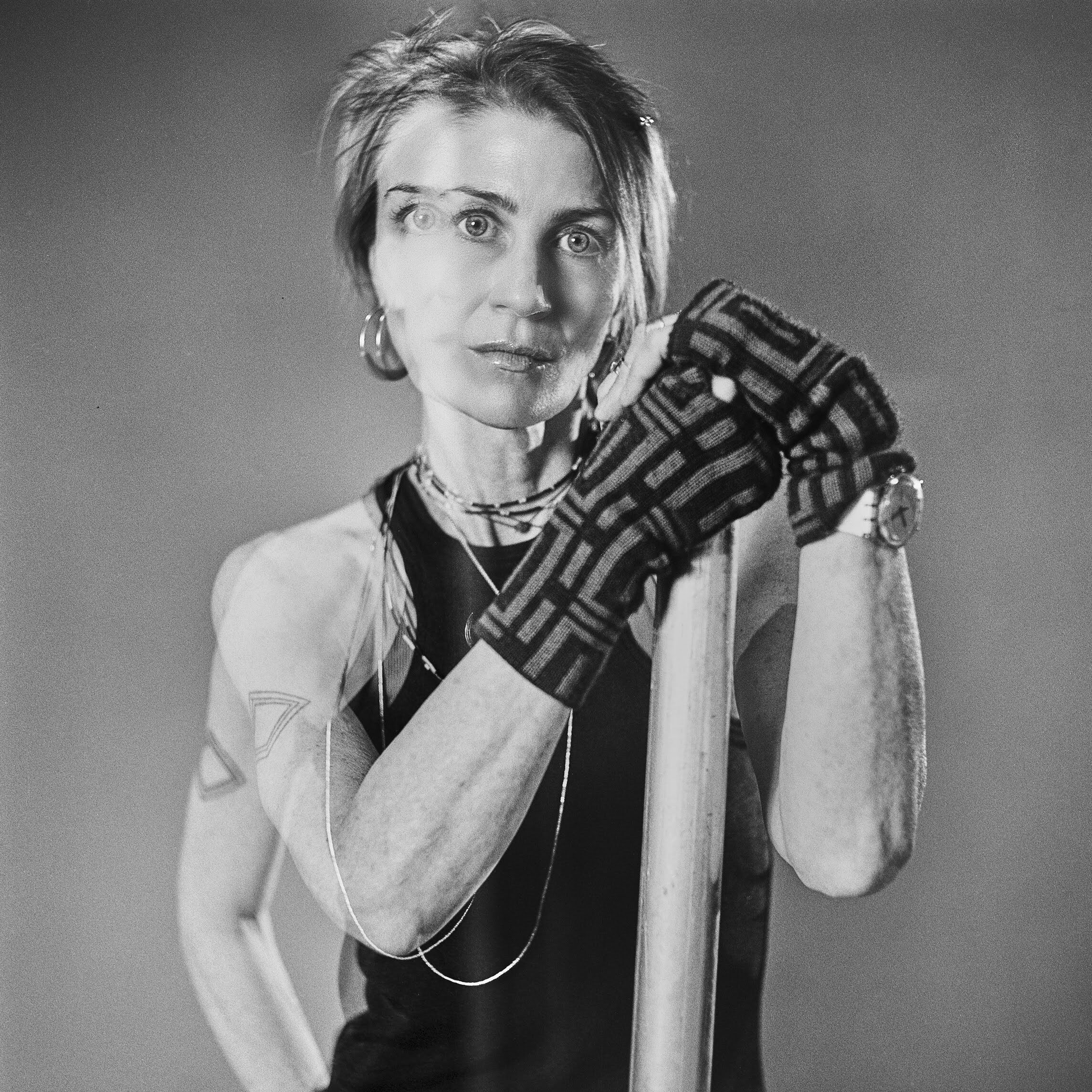
Chalet Comellas’s interdisciplinary projects explore computational abstraction and ways that technology can intersect with a range of spiritual practices, including divination and healing. Employing elements of chance, randomness, and generative processes, her multimedia and text-based works also evoke conversations on the ever-growing presence of nonhuman intelligences in our daily lives.
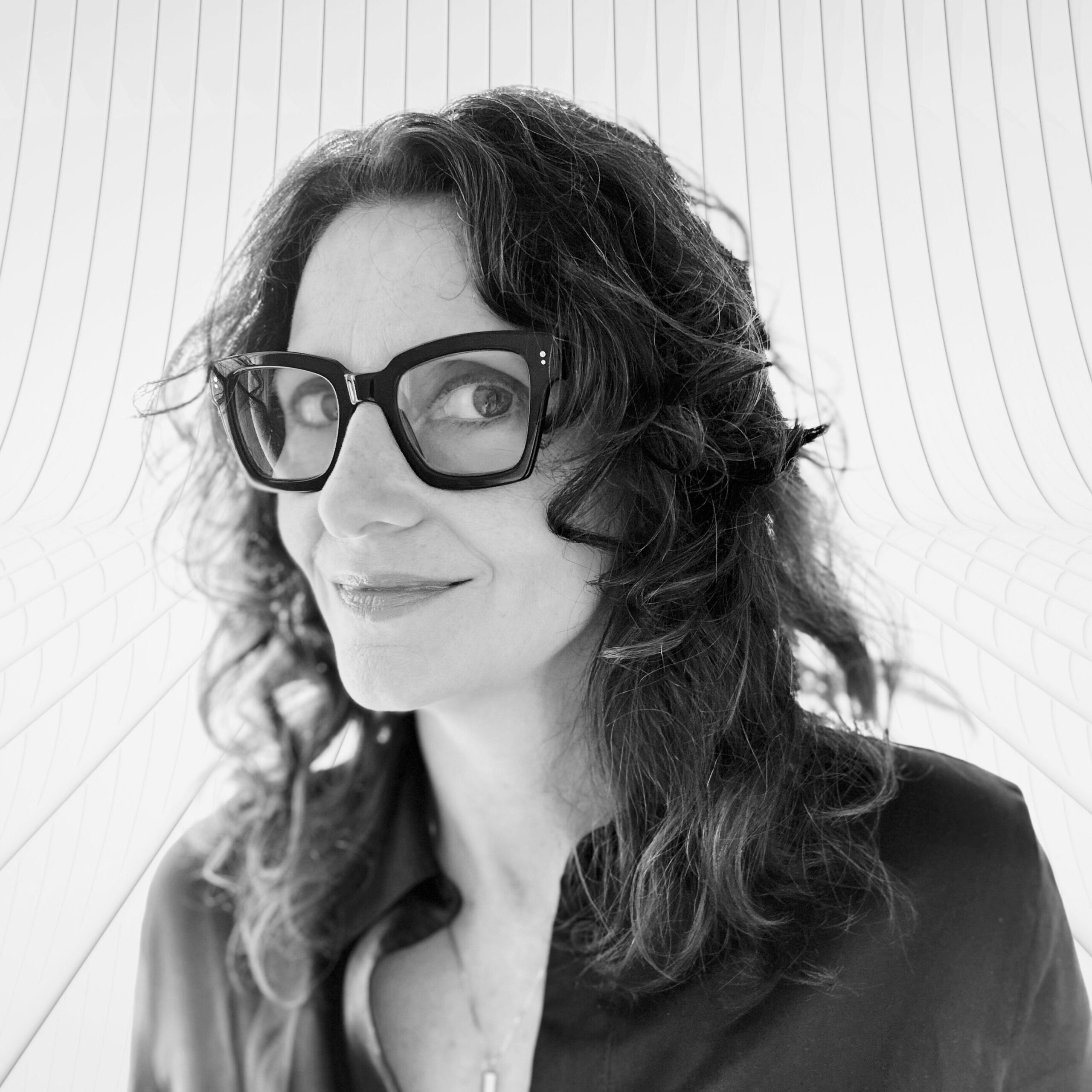
Anna Dumitriu works with bioart, sculpture, installation, and digital media to explore our relationship to infectious diseases, synthetic biology, AI, and robotics.
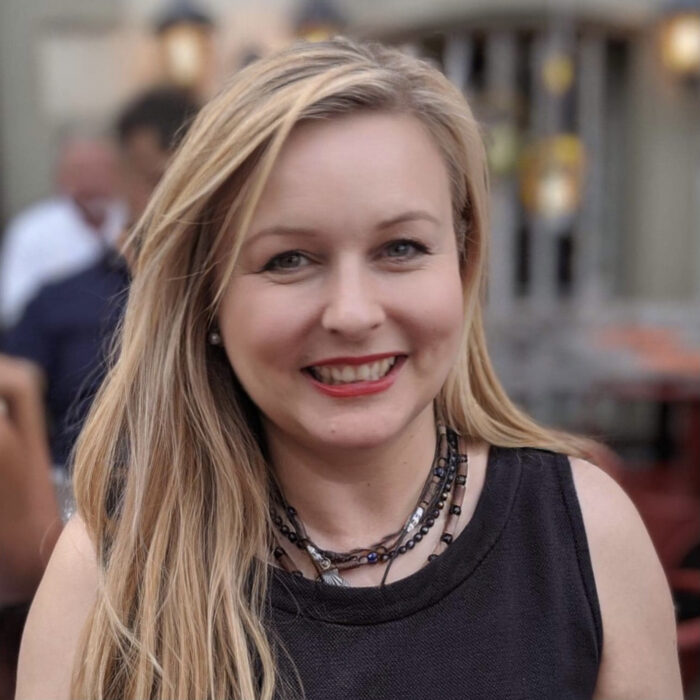
Charlotte Kent is an arts writer and associate professor of visual culture at Montclair State University, New Jersey. She specializes in twentieth- and twenty-first-century art, digital culture, and emergent technologies, with a focus on situating these fields within a historical and ecological trajectory of culture and politics. She coauthored Midnight Moment: A Decade of Artists in Times Square (Phaidon Press, 2024). She is a coeditor of Contemporary Absurdities, Existential Crises, and Visual Art (Intellect, 2024) and Generation to Generation (Vetro, 2026). An editor at large with a monthly column on art and technology for The Brooklyn Rail, she contributes to assorted magazines, academic journals, catalogues, and books. She serves on the College Art Association’s Committee on Intellectual Property.
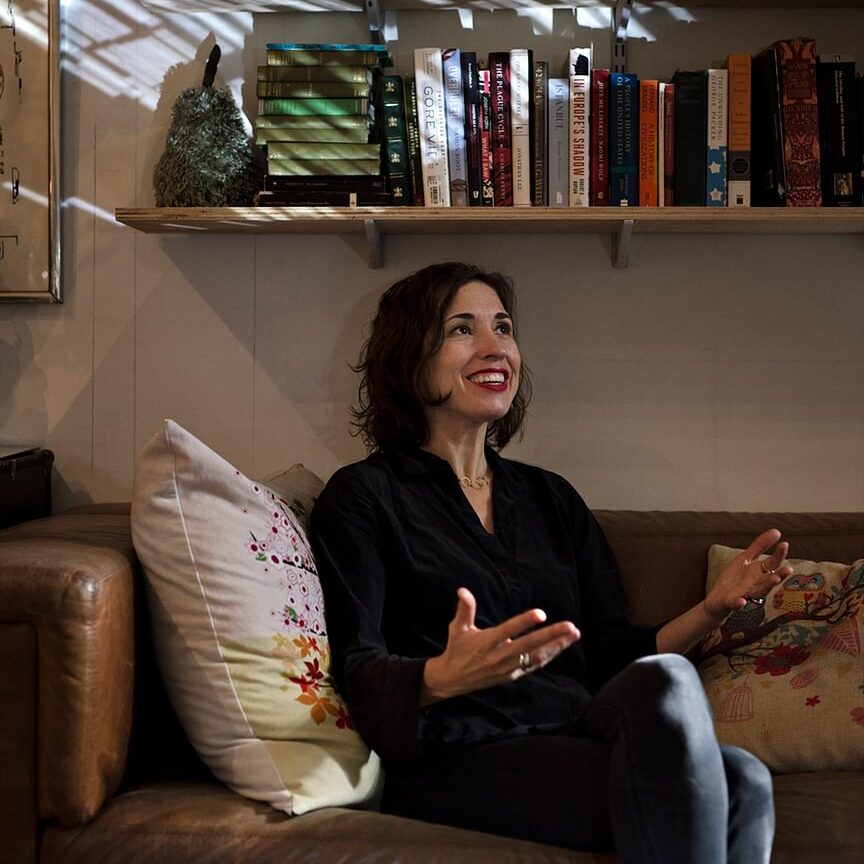
Lutz Koepnick is the Max Kade Foundation Chair of German Studies and a professor of cinema and media arts at Vanderbilt University. Koepnick has published widely on art, film, sound, aesthetic and media theory, and intellectual history. Over the last years, his writing has focused on how contemporary artists work in different media to complicate our understanding of human and nonhuman timescales and probe non-extractive models of planetary coexistence. Koepnick’s podcast, Art of Interference, explores creative responses to climate change in the arts today.
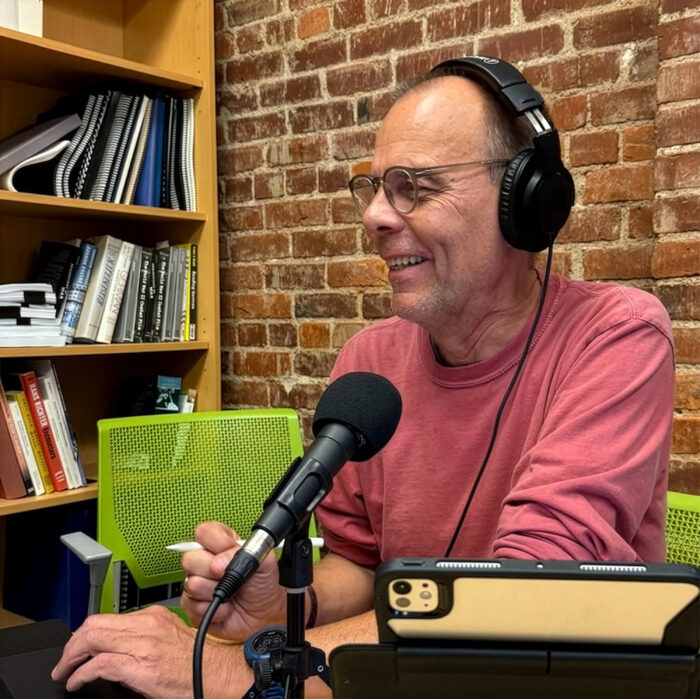
Katja Loher’s immersive video-sculptures focus on fragile ecosystems and the essential yet often overlooked role of their smallest inhabitants. Moving beyond traditional screens, Loher integrates video into hand-blown glass sculptures and other materials, creating seamless, self-contained installations. Each piece emerges from a collaborative process with architects, designers, poets, composers, glassblowers, and performers—blurring the line between nature’s impermanence and technological innovation.
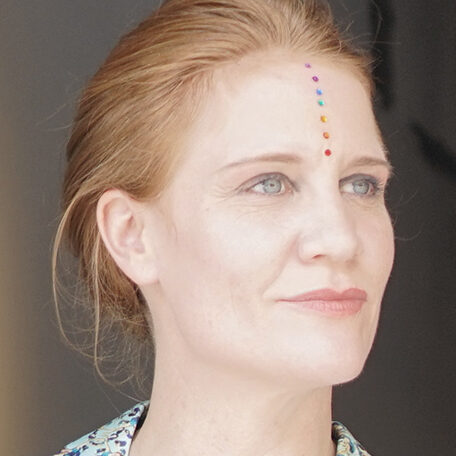
Alex May’s work forges creative links between art, science, and technology through a wide range of digital new media, including virtual and augmented reality, photogrammetry, algorithmic photography, interactive robotic artworks, video projection mapping, generative works, performance, and video and sound art.
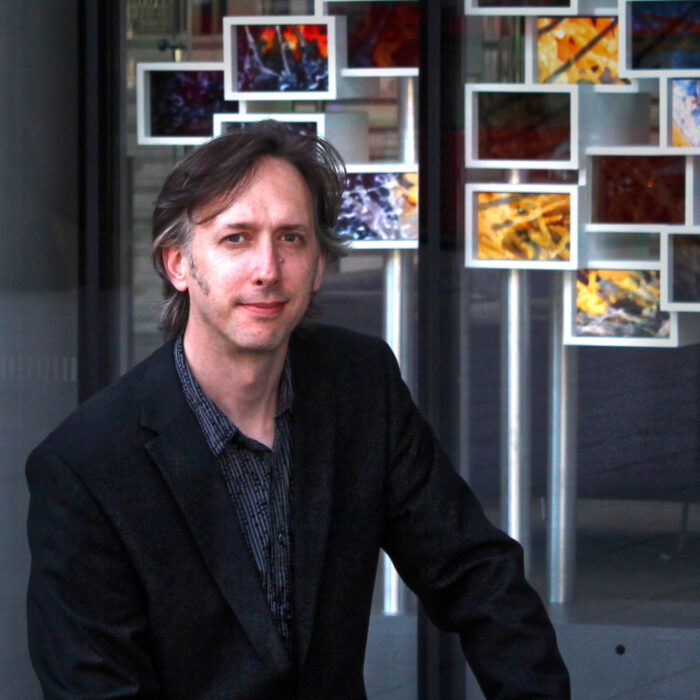
Rachel Rossin is a New York–based cross-disciplinary artist, painter, and computer programmer whose work examines the phenomenological impacts of technology on human autonomy and sovereignty. Rossin has developed a practice that moves fluidly between the virtual and physical, utilizing a diverse array of media, including DNA programming, virtual reality, custom AI networks, oil paint, and holographic displays. Across her hybrid practice, Rossin develops new vocabulary for our understanding of volition and control in a technologically mediated age.
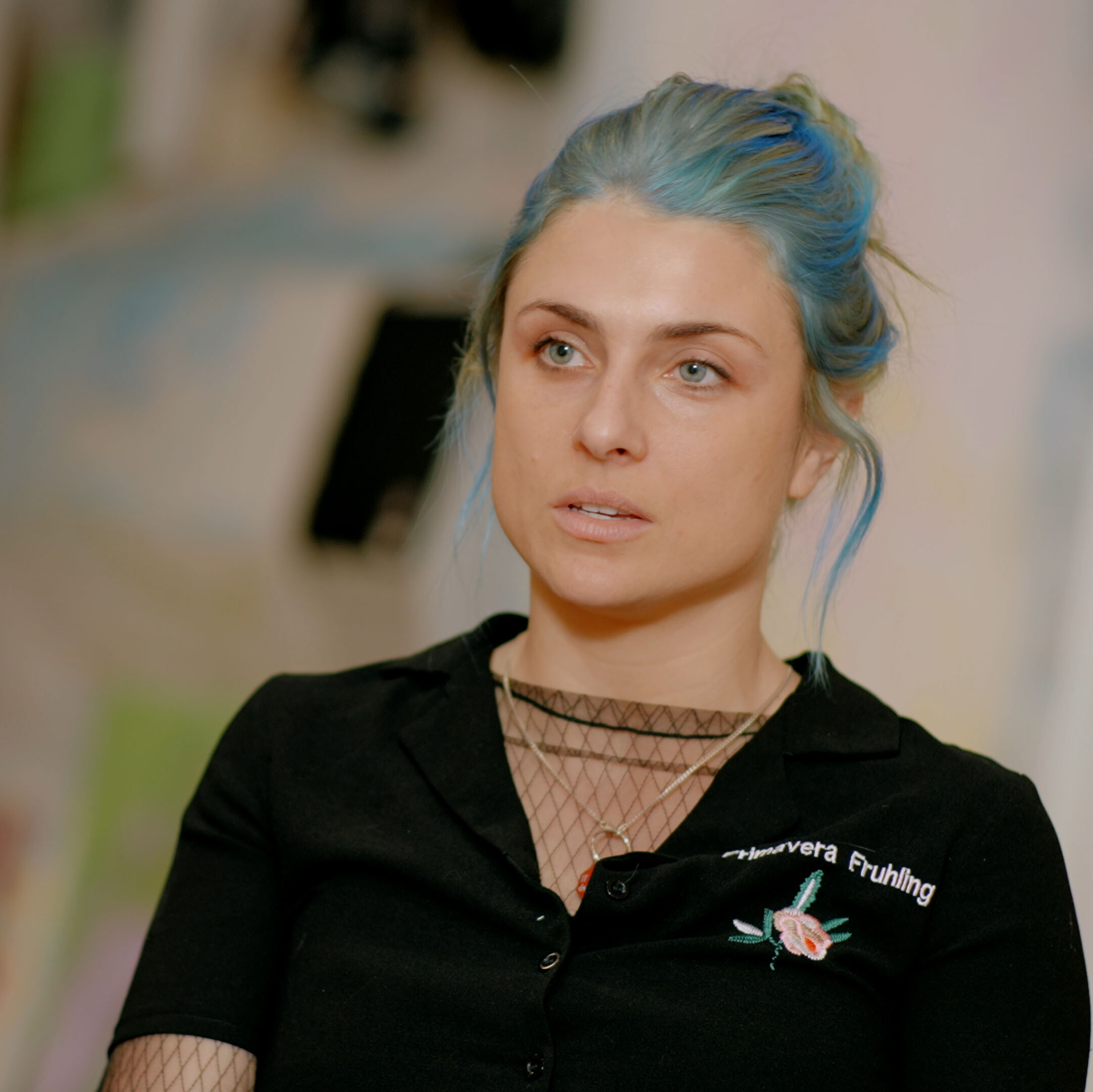
Frist Art Museum Chief Curator Mark Scala focuses on engaging with contemporary art to create exhibitions that museum visitors will find emotionally impactful and intellectually stimulating. With its emphasis on bridging humanity, technology, and nature, Shimmer is the latest in a series of exhibitions curated by Scala that find common ground in the representation of the human body as a site of metamorphosis, instability, and possibility.
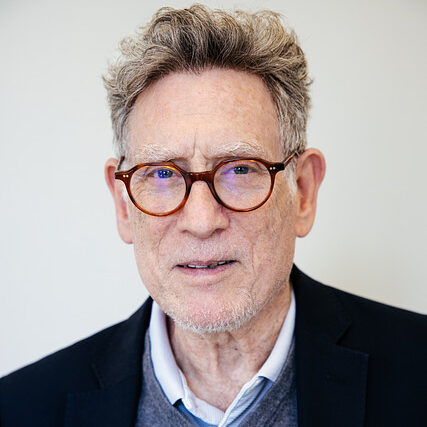
Amelia Winger-Bearskin is a Professor of Film and Media Studies at Hunter College, CUNY, where she is leading a new lab and interdisciplinary major in Creative Technology and Humanity. A Seneca-Cayuga artist, technologist, and writer, she developed the framework of antecedent technologies, which begins with sovereign technological histories to imagine possible futures.
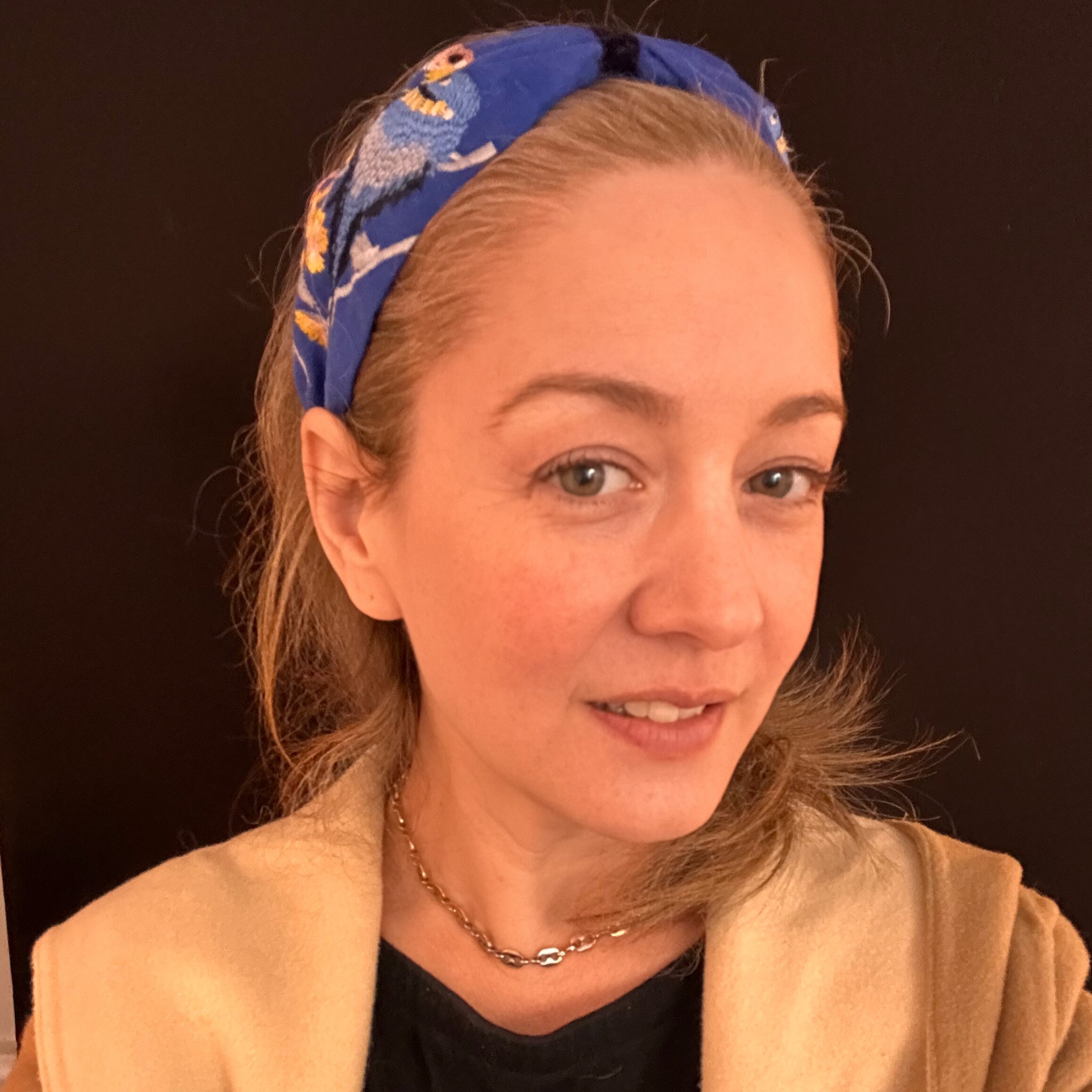
Saya Woolfalk uses science fiction and fantasy to reimagine the world in multiple dimensions. In her multiyear projects No Place, The Empathics, and ChimaTEK, Woolfalk has created stories based on the Empathics, a fictional race of women who are able to alter their genetic makeup and fuse with plants. With each body of work, Woolfalk continues to question the utopian possibilities of cultural hybridity.
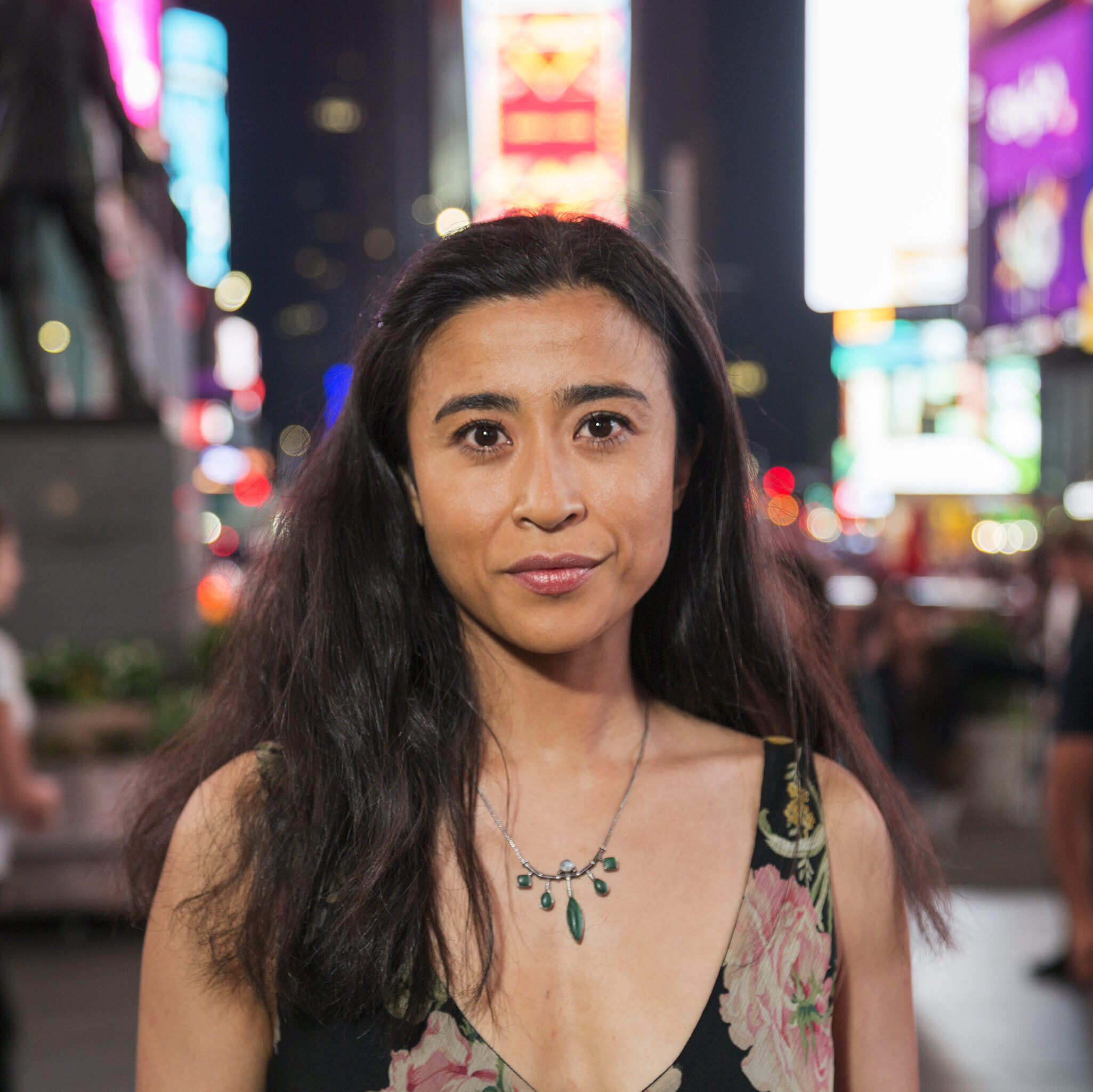
Media and participatory practice artist Marina Zurkow connects people to nature-culture tensions and environmental messes, offering new ways of knowing, connecting, and feeling. Zurkow’s most recent work, Parting Worlds/Hyundai Terrace Commission, was on exhibit at the Whitney Museum of American Art (2025–26). Currently, she is working on an algorithmic radio work about fish, with a focus on carp, supported by the Simons Foundation as part of its Infinite Sums initiative.
Related exhibition