A Collaborative Project Between Artists, Musicians, and Community
By Raheleh and Reza Filsoofi
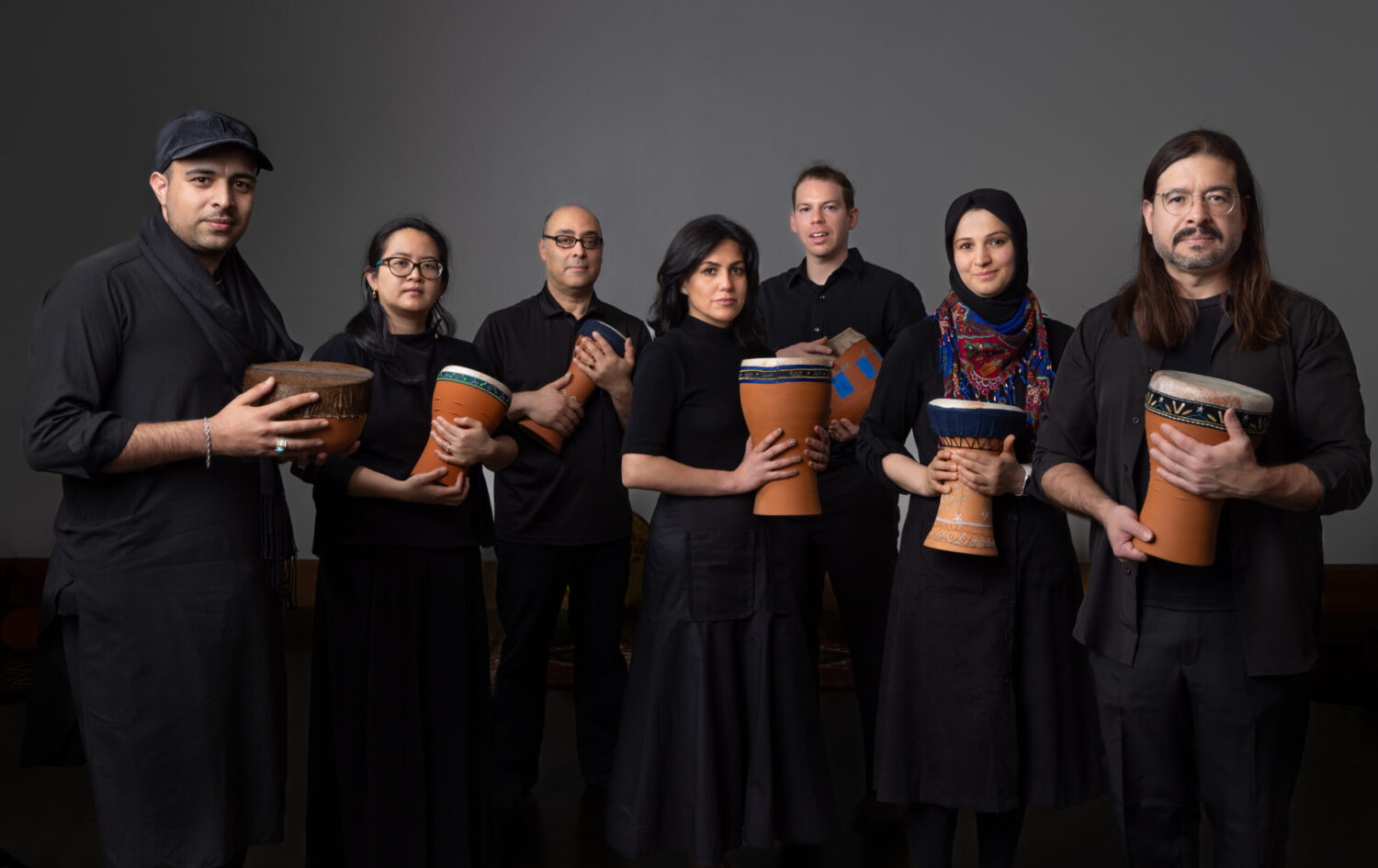
Resonance of the Land is a community-based project grounded in clay, sound, and shared presence. At its center are ceramic drums and vessels made from soil collected in Nashville by artist Raheleh Filsoofi. Over the past two years, this soil has been transformed into hand-built instruments inspired by Middle Eastern and African drum traditions, developed in collaboration with Reza Filsoofi and immigrant community members.
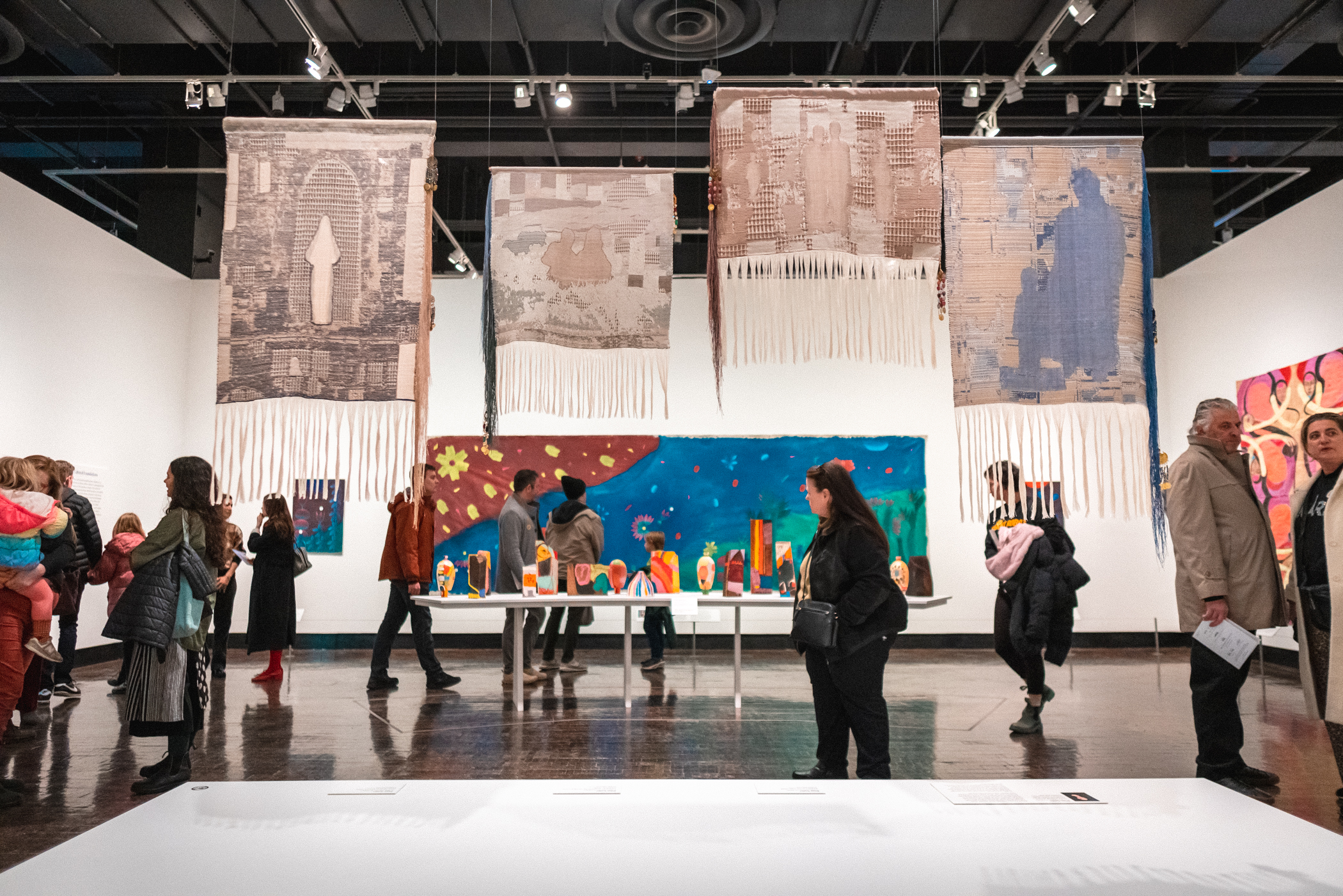
Presented in conjunction with In Her Place, these playable vessels carry the land’s material and the imprint of collective making. Through decorating and performing with them, local clay becomes a site of encounter, bringing together immigrant artists and musicians who now call Nashville home. Here, cultural memory is not erased but resounds.
Taking place during Nowruz, the event marks a seasonal threshold of renewal rooted in the Iranian plateau and in ancient relationships between people, land, and cyclical time. For centuries, Nowruz has persisted through periods of political upheaval, displacement, and social transformation, functioning not only as celebration but as an act of continuity.
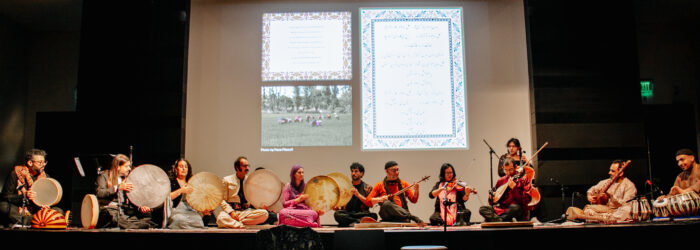
Today, as unrest and struggles for dignity continue in Iran and in many parts of the world, renewal cannot be understood as separate from these realities. In this context, music becomes an act of collective listening and solidarity.
In Music City, sound operates as a shared language that does not erase difference but allows many histories and voices to exist in relation. Through clay shaped by hand and rhythm carried in breath and body, land, memory, and voice meet on shared ground.
Resonance of the Land is supported by a grant from the National Endowment for the Arts and realized through collaboration with the Frist Art Museum, Nashville International Center for Empowerment (NICE), Nashville Immigrant and Refugee Art and Music Project (NIRMA Project), and Vanderbilt University.
Supported in part by

Related exhibition